Lumberjack Dingbats for Modern Branding
First Impressions: A Rugged yet Polished Visual Statement
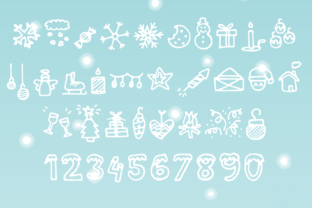
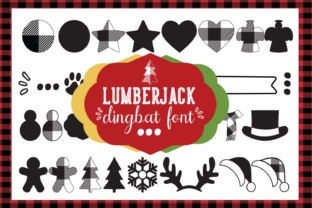
The first time I saw Lumberjack, I was struck by its rugged charm and subtle sophistication. The Dingbats are bold, with a clean line that suggests both nature and function. They feel like they could be hand-drawn, yet they maintain a level of precision that makes them versatile in professional settings. This balance between organic and structured design is what sets Lumberjack apart from many other digital products.
Fitting the Right Project: Where Lumberjack Shines
Lumberjack is not a one-size-fits-all asset, but it has a strong presence in several key areas of design work. For brand identity, it can add a tactile feel to logos or packaging. In packaging design, these Dingbats can serve as decorative accents without overwhelming the overall composition. They also work well in product mockups, especially for items like mugs, tote bags, and t-shirts where a handcrafted look is desired.
In social media graphics, Lumberjack adds visual interest without being too busy. It’s ideal for Pinterest pins, Instagram posts, and Canva templates where a thematic or seasonal vibe is needed. For print-on-demand and Etsy product designs, the SVG design format allows for easy customization and scalability. When used in sticker design or web design, Lumberjack can help create a cohesive brand language that feels both modern and approachable.
Design Context: Real-World Applications
I recently worked on a branding project for a small handmade business that sells eco-friendly home goods. The client wanted a warm, natural aesthetic that reflected their values. Lumberjack fit perfectly into this vision. We used it in the logo, as part of the packaging design, and in social media visuals. It helped create a consistent mood that felt authentic and grounded.
For a seasonal campaign focused on autumn, Lumberjack added a rustic touch to posters, flyers, and editorial design elements. Its printable design quality made it suitable for both digital and physical formats, which is crucial when working with clients who need assets for multiple platforms.
When to Use Lumberjack Carefully
While Lumberjack is a powerful tool, it's not always the best choice. In minimalist branding or professional corporate materials, its texture might compete with the clean lines of a more formal design. Similarly, in crowded layouts or complex backgrounds, it can become visually distracting.
It’s important to test Lumberjack at different sizes. At small scales, such as on a business card or website icon, the details may lose clarity. Always preview it on real mockups and ensure it works across all platforms, including mobile devices.
Practical Designer Notes for Commercial Use
Before using Lumberjack commercially, I recommend a few essential checks. First, test it in black and white to see how it holds up in low-contrast environments. Then, check contrast on both light and dark backgrounds to ensure readability.
Review the file formats—PNG design with transparency is great for overlays, while SVG design offers flexibility for editing. If you're using it for sublimation design or print-on-demand, make sure the resolution is high enough for print quality. Also, inspect clipart or illustration elements to confirm they’re editable if needed.
Compare Lumberjack with other fonts—serif, sans serif, script, or handwritten—to see how it interacts with your typography. Finally, confirm the commercial license before using it for any client project or business use.
Why Lumberjack Matters for Designers
Lumberjack is more than just a set of Dingbats—it’s a versatile graphic design asset that can elevate the visual appeal of a wide range of projects. Whether you're creating brand identity, marketing visuals, or digital ads, it adds character without sacrificing professionalism.
Its ability to blend into both modern design and handmade business branding makes it a valuable addition to any designer’s toolkit. It supports small business branding efforts by offering a unique, memorable element that stands out in a crowded market.
Ultimately, Lumberjack is a creative marketplace asset that bridges the gap between design aesthetics and practical application. It’s ready for use in Cricut projects, Canva templates, and even web design—as long as it’s handled with care and intention.